
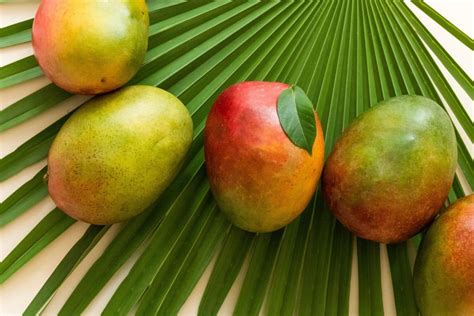
Ripe Vs. Raw Mango: With the arrival of the summer season, the “King of Fruits”—the mango—begins to grace every dining plate. Markets are brimming with both raw and ripe mangoes, yet people often wonder which of the two is the healthier choice. Experts believe that this choice depends on your body’s specific needs, as both varieties offer their own distinct and unique health benefits.
Raw mango is a tremendous source of Vitamin C. You might be surprised to learn that a single small raw mango can provide as much Vitamin C as three apples or one large orange. This high Vitamin C content not only boosts your immunity but also aids in fighting off infections.
During days of scorching heat, raw mango serves as the ultimate defense against heatstroke. Traditional beverages like Aam Panna help maintain the body’s electrolyte balance and prevent dehydration. Furthermore, for digestive issues such as acidity, constipation, or morning sickness, consuming raw mango sprinkled with black salt proves to be extremely beneficial.
As a mango ripens, its starch converts into natural sugars, making it an instant source of energy. Ripe mangoes are rich in Vitamin A and beta-carotene—nutrients essential for maintaining good eyesight and imparting a natural glow to the skin. The fiber present in ripe mangoes helps keep the digestive system functioning smoothly. Additionally, ripe mangoes are packed with antioxidants that protect the body’s cells from damage.
According to Ayurveda, raw mango helps balance the Pitta and Vata doshas and protects the body from excessive heat. Conversely, ripe mango pacifies Vata and endows the body with strength and vitality.
However, consuming mangoes in excess can also be detrimental to your health. Diabetic patients should consume ripe mangoes with caution, as they can raise blood sugar levels. Mangoes are considered to have a “warming” nature; therefore, excessive consumption may lead to acne breakouts.
Individuals suffering from joint pain or arthritis should avoid the tartness of raw mangoes, as it may exacerbate their pain. Finally, it is essential to wash mangoes thoroughly before eating them, as the sticky sap present on their skin can cause irritation and itching in the throat.