
By Dr. P.K. PUROHIT
Professor and Dean (Science), NITTTR, Bhopal
Today, the world discusses modern concepts such as “sustainable fashion,” “breathable fabrics,” “zero-waste design,” and “wearable technology,” yet glimpses of these very principles have been evident in Indian traditions for centuries.
Indian attire cannot be viewed merely through the lens of tradition or faith; it is the product of millennia of experience, environmental understanding, an in-depth study of the human body, and the practical necessities of social life. India’s diverse climate—ranging from the cool valleys of the Himalayas to the scorching deserts of Rajasthan and the humid coastal regions of the South—gave rise to garments that evolved in harmony with local conditions, showcasing a remarkable blend of comfort, health, utility, and environmental balance.
Elements of a climate-conscious lifestyle, prudent resource utilization, community cooperation, and cultural identity are clearly reflected in Indian clothing. Crafted from natural fibers with minimal waste and body-friendly designs, these garments are not merely fashion statements but living expressions of a balanced coexistence between nature and humanity. They represent a confluence of aesthetics and science, tradition and innovation, seamlessly offering solutions that modern technology is currently striving to discover—all without the need for electronic systems.
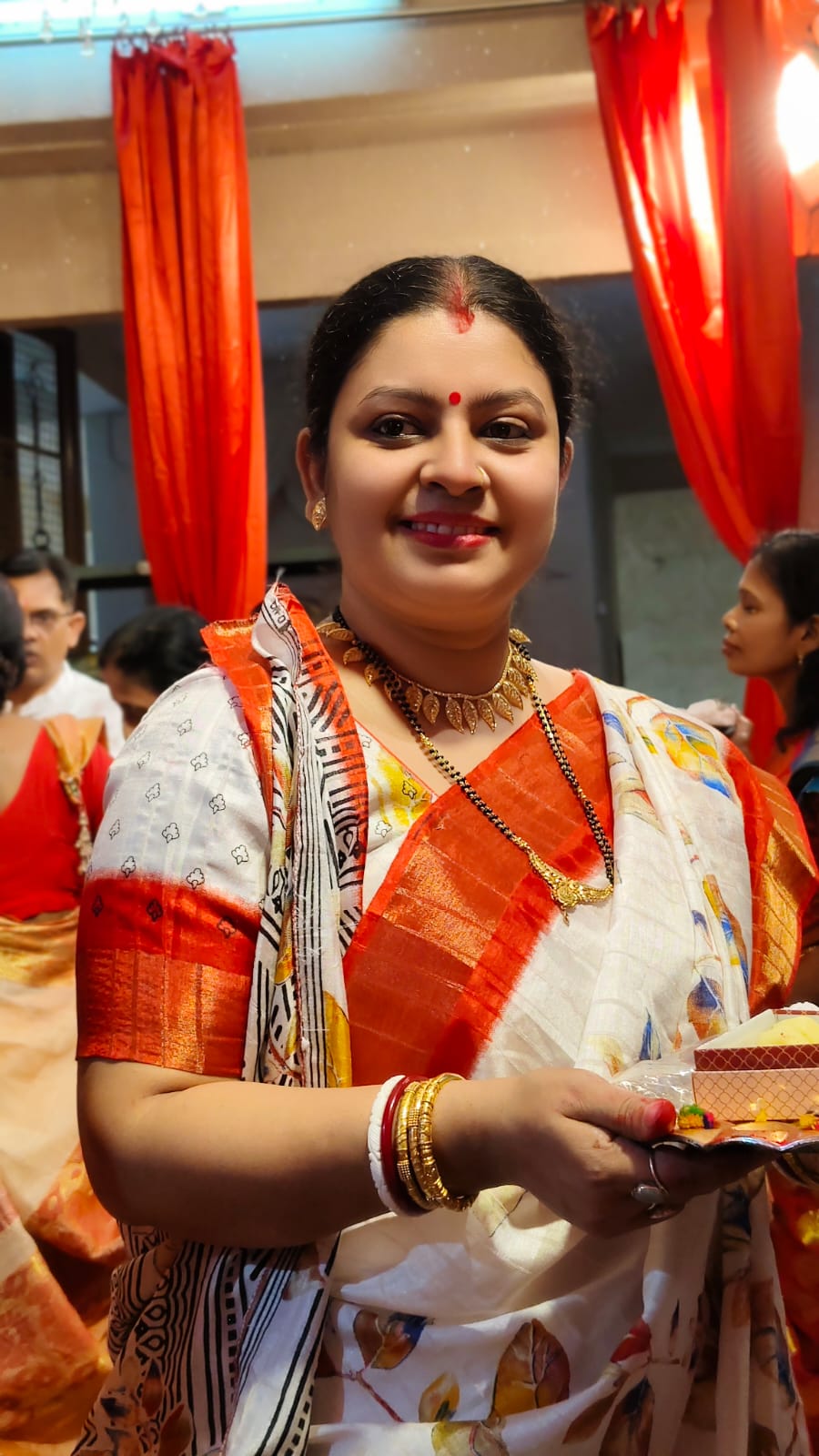
Garments and accessories such as the saree, dhoti, turban, kurta, and traditional jewelry reflect not only the cultural identity of Indian society but also its environmental and social consciousness. The construction, choice of fabric, color palette, and draping styles of these garments have evolved to suit the demands of time, place, and season. Thus, Indian attire stands not just as a symbol of beauty or tradition, but as a rich heritage that fosters a balance between life and nature.
A Scientific and Cultural Heritage beyond Fashion
The most remarkable feature of traditional Indian clothing is its extraordinary adaptability. Garments such as the saree, dhoti, turban, and kurta are not merely styles of dress; they represent a rich tradition evolved from millennia of experience within Indian society, shaped by local conditions and lifestyle needs.
Saree: A Unique Blend of Tradition, Convenience, and Climate-Friendly Design
The saree is considered one of the most versatile and practical styles of Indian attire. As an unstitched garment, it easily conforms to various body shapes and requirements, ensuring both comfort and flexibility. Cotton sarees facilitate sweat absorption and better air circulation during hot and humid weather, whereas silk or woollen sarees offer greater heat retention in colder seasons. The traditional draping style allows for bodily freedom and ease, reflecting a practical sartorial tradition evolved to suit the Indian climate and lifestyle. Cultural experts note that the tradition of unstitched garments also embodies concepts of minimal resource consumption and the long-term reuse of fabric.
In Indian tradition and Ayurveda, the navel is regarded as a vital bodily center, associated with the “Manipura Chakra.” Traditional saree draping leaves the midriff and navel area partially exposed—a feature often linked to physical ease, air circulation, and climate-appropriate dressing. While direct scientific evidence regarding the navel as a body temperature control center is limited, this style remains a cultural and practical tradition evolved in harmony with India’s climate and lifestyle.
Dhoti and Kurta: Designs Suited to a Hot Climate
The dhoti and the loose-fitting kurta are considered to have evolved in response to the hot climate of the Indian subcontinent. Adequate airflow around the body provides a sense of comfort and makes working for extended periods relatively easier.
Such attire remains popular today among people working in fields and open environments across rural India.
Turban: Climate-Responsive Wisdom Embedded in Tradition
In states like Rajasthan, Punjab, and Gujarat, the turban is not merely a symbol of honor, identity, and culture; it has also served as a practical means of protection against harsh weather. Here, turbans are worn even in temperatures reaching 48°C.
In regions characterized by scorching heat and intense sunlight, wrapping several meters of cloth around the head creates layers of air that act as a natural barrier between the external heat and the scalp. This reduces the impact of direct sunlight and offers some protection against hot winds. In desert areas, the turban also helps shield the face, ears, and neck from dust and scorching winds. When needed, this same cloth has historically been used to carry water, cover the face, or serve as a makeshift safety aid. Evolved over centuries to suit the local climate and lifestyle, this garment stands as a testament to the practical wisdom of Indian society, facilitating work and travel amidst challenging environmental conditions.
Jewellery: A Blend of Beauty, Tradition, and Practicality
In Indian society, ornaments such as bangles, anklets, toe rings, nose rings, and earrings have never been merely items of adornment; they have long been integral to social identity, tradition, and lifestyle. From a scientific perspective, these ornaments—worn on various parts of the body—remain in constant contact with the skin, exerting gentle pressure or touch that stimulates sensations in those areas.
While there is insufficient modern scientific evidence to substantiate claims linking them to acupressure or specific health benefits, there are certainly practical reasons behind their use. For instance, silver jewellery is durable, relatively affordable, and a good conductor of heat, which explains its widespread use in rural India. Meanwhile, bangles, anklets, and other ornaments have been worn for generations as symbols of social status, marital identity, and cultural tradition. Thus, the significance of Indian jewellery extends far beyond aesthetics, remaining deeply rooted in social, cultural, and lifestyle contexts.
Tradition and Psychology of Colors
Indian attire is renowned for its diversity of colors, with each color holding its own cultural significance.
White is regarded as a symbol of peace and simplicity. Red is associated with energy, celebration, and married life. Yellow symbolizes spring, knowledge, and spirituality, while green is linked to nature and prosperity.
Psychological studies suggest that colors can influence mood, although their effects vary depending on the individual and the circumstances.
Perhaps this is why Indian attire retains its relevance even in an era of changing times and modern technology—because it represents not just clothing or festive wear, but an integral part of a holistic way of life.