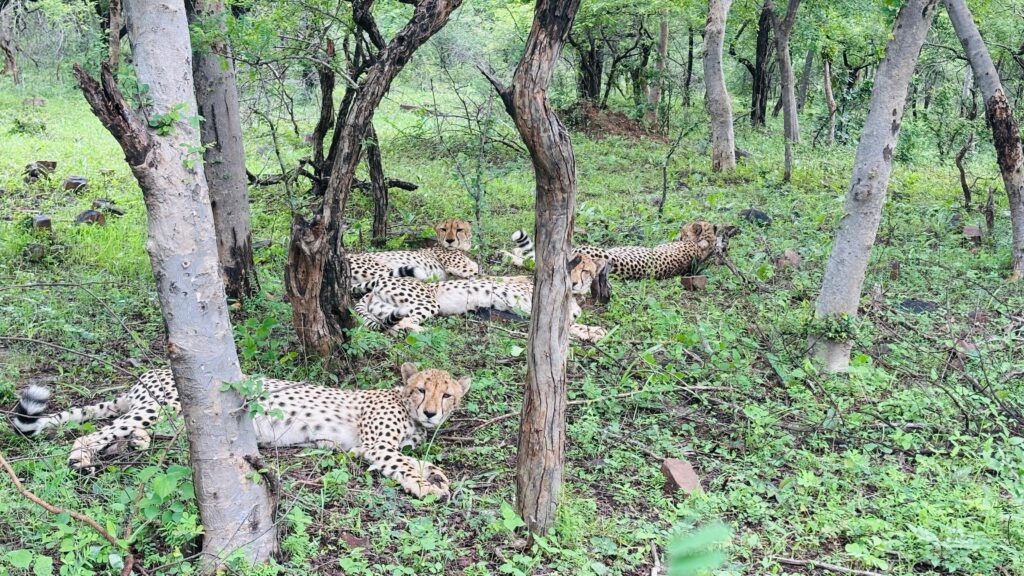
With growing cheetah population in Palpur Kuno National Park, Madhya Pradesh has become a pride of Asia. Three years ago, Madhya Pradesh received the gift of Project Cheetah on the initiative of Prime Minister Narendra Modi.
On September 17, 2022, on his birthday, Prime Minister Shri Modi released cheetahs at Palpur Kuno, marking the start of the project. Today, the cheetah population is increasing. Project Cheetah has been honoured with the ‘Innovative Initiatives Award’. This award was recently presented at the Third Eco Warrior Awards program organized in New Delhi by the IFS Association and Indian Masterminds. CM Mohan Yadav congratulated the management team associated with Project Cheetah on receiving the award.
Three Years of Courageous Initiative
Project Cheetah began on September 17, 2022, with the transfer of eight cheetahs from Namibia to Kuno National Park. It immediately attracted attention at both national and international levels. Initial concerns arose regarding suitability of Indian environment for cheetahs. Defying these doubts, cheetahs are now thriving in Kuno Palpur and Gandhi Sagar Sanctuary, and their population is steadily increasing.
Cheetahs Adapted to MP’s Climate
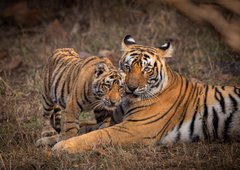
The cheetahs have remarkably adapted to the Indian environment. In the past three years, five female cheetahs have given birth to cubs six times, reflecting success and resilience of the project. They are showing good adaptability to Indian prey such as chital. Initial fears of conflict with leopards were mitigated as the natural ecosystem balanced itself, limiting predator species to their respective areas.
Project Cheetah as Symbol of Innovation, Determination and Hope
The three-year journey of Project Cheetah has been both challenging and inspiring. The project is now moving forward with even greater commitment. Over the past three years, the management team has learnt the lesson of never giving up. Valuable insights have been gained from every aspect of cheetah management, enhancing understanding for both experienced and new professionals.
Working with living creatures involves inherent risks. Over the past three years, confidence of senior officials from the central and state governments, field managers, veterinarians and frontline staff has strengthened. These years have also demonstrated that Madhya Pradesh is capable of handling emergencies and adverse conditions. Project Cheetah’s success is a symbol of teamwork, where all professionals work with dedication and skill towards a common goal.
Lessons and Success of Three Years
The relentless efforts of the Project Cheetah team have borne results. The cheetahs have not only survived but have successfully increased their families. Their presence has renewed focus on grasslands and open forests, ecosystems that were previously neglected. Improvement in Kuno’s grasslands, increased biodiversity, and benefits to local communities through tourism are major achievements of the project. The reintroduction of cheetahs has caused no harm to the ecosystem. Close monitoring of each cheetah, professional veterinary care, and a safe environment have brought Project Cheetah up to global standards.
Rising Cheetah Population
The most encouraging achievement of Project Cheetah has been the birth of cubs in India. Currently, 25 cheetahs are in Kuno National Park. Two males have been successfully relocated to Gandhi Sagar Sanctuary. Thus, there are a total of 27 cheetahs. The near-future goal is to establish a self-sustaining and freely roaming cheetah population in Kuno’s landscape.
The success of Project Cheetah over three years conveys that this is not merely the return of a species but a symbol of India’s dedicated leadership in global nature conservation. The return of cheetahs demonstrates that extinction is not final and that lost heritage can be restored through vision and determination.