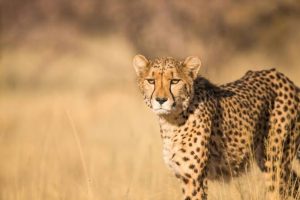
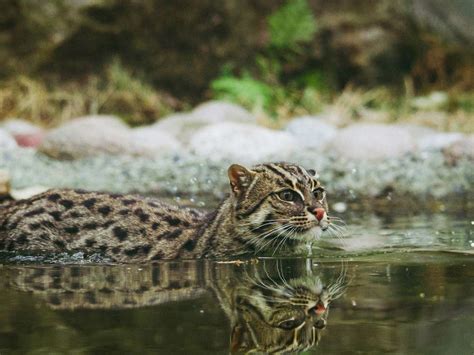
India, Nepal, and Bhutan wil jointly conserve small wild cats. Now, these three nations will collaborate to protect the small wild cats of the forests.
To this end, experts from India, Nepal, and Bhutan joined hands for the conservation of small wild cats during a two-day international conference held recently at the Dudhwa Tiger Reserve. During this meeting—organized under the Global Tiger Forum’s GEF-7 program—all three countries reached a consensus on establishing a shared “Conservation Network.”
Dr. H. Rajmohan, Field Director of Dudhwa, stated that these cats are vital to the ecosystem. These small carnivores—particularly the wild cats—play a crucial role in maintaining ecological balance by keeping the populations of rodents and other small mammals in check.
Through the proposed network, a scientific study will be conducted regarding the habitats of these species, their population numbers, and the threats looming over them. Now, as part of their enumeration, this proposed network will facilitate a scientific examination of these species’ habitats, their populations, and the dangers they face.
To this end, a booklet titled “Identification Manual for Wild Cats in the Dudhwa Landscape”—formally released by the WWF—was unveiled.
This publication will serve as a useful field guide for forest personnel and researchers. Emphasizing the importance of a shared strategy, Dr. Rajesh Gopal, Secretary of the Global Tiger Forum, stated that the objective of this initiative is to strengthen biodiversity in South Asia.
During the meeting, experts from the Wildlife Institute of India (WII) and the Wildlife Crime Control Bureau also underscored the importance of cross-border coordination and community participation. The Terai and Himalayan regions of India, Nepal, and Bhutan rank among the world’s richest areas in terms of wild cat diversity.
Dr. H. Rajamohan, Field Director, Dudhwa Tiger Reserve, said, “This is a commendable initiative. Three countries are now prepared to collaborate on a shared strategy for the conservation of wild cats. This will not only foster progress in maintaining ecological equilibrium but also ensure that conservation efforts proceed in the right direction, thereby enhancing overall environmental balance.”