
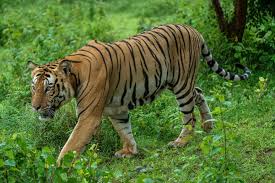
The long-anticipated declaration of Ratapani as the 7th Tiger Reserve in Madhya Pradesh is expected to be finalized this month, pending approval from the necessary departments. A recent meeting led by Chief Secretary Anurag Jain has set the stage for the final steps, with the Forest Department requesting one more month to complete the legal formalities. Ashok Varnwal, Principal Secretary of the Forest Department, confirmed that the entire process should be concluded within this time frame.
Ratapani’s Tiger Reserve is set to span a total area of 1,244.518 square kilometers, including a core zone of 763.812 square kilometers. Importantly, the core area will not encompass any revenue villages. Three forest villages currently exist within the core zone, and their relocation efforts are already underway.
The buffer zone contains 32 villages, most of which have already provided written consent to the Forest Department, with only around 10 villages yet to complete this process.
The geographical breakdown of the reserve sees Raisen district claiming the majority of the core area, with 628.781 square kilometers. Sehore district will cover 135 square kilometers, while Bhopal district will contribute just 1.7 square kilometers to the buffer zone. This small section means no restrictive regulations will apply in Bhopal following the reserve’s establishment.
Ratapani is already home to 80 tigers, and the Central Government gave in-principle approval for its designation as a Tiger Reserve 16 years ago. The prolonged delay has been a source of frustration for officials, particularly Chief Minister Dr. Mohan Yadav, who has expressed dissatisfaction with the slow progress. This frustration led to the recent meeting chaired by the Chief Secretary, ensuring that all departments are on the same page and committed to moving forward.
Ratapani Wildlife Sanctuary is not only significant for its tiger population but also for its rich biodiversity and cultural heritage. Here are some factors that make this sanctuary unique:
Diverse Wildlife: Ratapani is a haven for a variety of wildlife, from apex predators to smaller animals. The sanctuary is home to tigers, wild dogs, leopards, sloth bears, hyenas, and more. Herbivores such as chital, sambar, nilgai, and four-horned antelope roam the area, along with langurs, wild boars, and rhesus macaques.
Smaller mammals, including squirrels, mongooses, gerbils, porcupines, and hares, are also commonly found here. Among reptiles, there are several species of lizards, snakes (including cobras, pythons, and vipers), and chameleons.
Birdwatcher’s Paradise: With over 210 bird species, Ratapani is a delight for birdwatchers. The sanctuary is home to the Paradise Flycatcher, the state bird of Madhya Pradesh, along with many other species like babblers, barbets, bulbuls, bee-eaters, kites, sunbirds, and Bengal vultures. These birds thrive in the diverse ecosystems within the sanctuary, making it a hotspot for bird enthusiasts.
UNESCO World Heritage Site: One of the most fascinating features of Ratapani is its inclusion of the Bhimbetka rock shelters, a UNESCO World Heritage Site. These ancient rock paintings offer a glimpse into prehistoric life and add a layer of cultural significance to the natural beauty of the sanctuary.
Lakes and Reservoirs: Ratapani is also known for its lakes and reservoirs, including the Ratapani reservoir, which supports a variety of aquatic fauna, including crocodiles. These water bodies are crucial to the local ecosystem and provide sustenance for both wildlife and humans alike.
Varied Forest Types: The sanctuary boasts a variety of forest types, including dry deciduous, moist deciduous, bamboo, and evergreen Saja forests. This diversity in vegetation supports the wide range of species found within the sanctuary and contributes to its ecological richness.
Dominant Teak Trees: Teak trees are the dominant flora in Ratapani, covering about 55% of the sanctuary. The prevalence of teak adds to the area’s natural beauty and economic value, given the importance of teak wood.
Trekking Trails: For adventure seekers, Ratapani offers trekking trails that allow visitors to explore its natural wonders on foot. These trails provide an immersive experience of the sanctuary’s diverse landscapes and wildlife.
As Ratapani moves closer to becoming an official Tiger Reserve, its importance to both wildlife conservation and cultural heritage cannot be overstated. With its rich biodiversity, ancient rock art, and strong governmental support, Ratapani is poised to become a major conservation area in Madhya Pradesh. The anticipated notification will not only solidify its status as a protected area but will also help preserve its unique ecosystem for future generations.