Dr. Pankaj Shukla, Chairman & CMD – Gramya; President – ASRE; Vice President – Karate Association of India
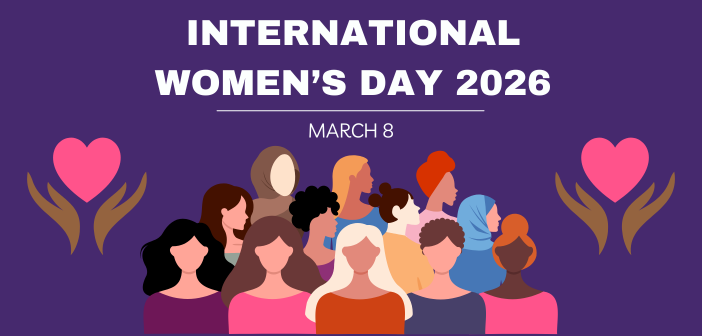
International Women’s Day 2026: International Women’s Day is more than a celebration of achievements; it is an opportunity to reflect on the direction in which societies are moving. As India moves toward the vision of Viksit Bharat 2047, it is becoming increasingly evident that the country’s development journey cannot be complete without the full participation of women.
Women constitute nearly 48 percent of India’s population. Therefore, women’s empowerment is not merely a social issue—it is a central pillar of economic progress, social stability, and national development.
Over the past decade, India has witnessed a growing emphasis on women’s participation in development. Prime Minister Narendra Modi has repeatedly highlighted that Nari Shakti is the driving force behind India’s progress, and this perspective has increasingly shaped public policy and social initiatives.
Women in the Economic Landscape
Women play a vital role in India’s economy, particularly in rural areas. Studies indicate that nearly 80 percent of rural women are engaged in agriculture and allied activities, including farming, livestock management, dairy production, and food processing.
Despite their significant contribution, women farmers often face structural barriers such as limited access to land ownership, financial resources, and modern technology.
Addressing these challenges can significantly improve agricultural productivity and rural incomes.
Women entrepreneurship is also gaining momentum. India currently has nearly 63 million MSMEs, and around 20 percent of them are owned by women. Expanding women’s participation in entrepreneurship could become a major driver of economic growth.
Digital India and New Opportunities for Women
Digital technology has opened new pathways for women’s empowerment. Through the Digital India initiative, access to internet connectivity and digital services has expanded significantly across both urban and rural India.
Digital platforms enable women to start online businesses, reach wider markets through e-commerce, access financial services, and participate in digital education and skill development.
Digital inclusion is therefore becoming a powerful catalyst for women’s economic independence.
Health and Dignity
Women’s empowerment is closely linked to health and nutrition. Several national programs have contributed to strengthening maternal healthcare and sanitation.
Initiatives such as Pradhan Mantri Matru Vandana Yojana, Pradhan Mantri Surakshit Matritva Abhiyan, Ayushman Bharat, and the Swachh Bharat Mission have improved healthcare access and dignity for millions of women across India.
Healthy women create healthy families and resilient communities.
Women in Sports: A New Era of Confidence
Women’s participation in sports has also witnessed remarkable growth in recent years. The Khelo India Mission and expanding sports infrastructure have created new opportunities for young athletes, especially girls.
Indian women athletes are now achieving remarkable success at international events, inspiring a new generation of young girls to pursue sports.
Sports not only produce champions but also nurture confidence, discipline, and leadership—qualities essential for nation-building.
Gramya’s Approach to Women-Led Rural Development
Gramya promotes a rural development model centered on women’s leadership and empowerment.
Mission Shakti
This initiative encourages women entrepreneurship and greater participation in the MSME sector through skill training, financial literacy, and enterprise development.
Mission Annapurna
This program connects women farmers with advanced agricultural practices, sustainable farming techniques, and value-added agri-enterprises.
Village Counsellor and Village Dairy Counsellor
These initiatives provide grassroots guidance and knowledge networks that support women in agriculture, dairy, health awareness, and rural entrepreneurship.
Toward Viksit Bharat 2047
India’s aspiration to become a developed nation by 2047 will require inclusive and participatory growth. Women’s leadership in education, entrepreneurship, agriculture, technology, and sports will play a decisive role in shaping this transformation.
When women become active partners in development, societies experience greater innovation, stability, and prosperity.
Future of India’s development
The future of India’s development depends on how effectively the nation empowers its women.
When women innovate in agriculture, lead enterprises, participate in the digital economy, and represent the nation in sports arenas, the journey toward Viksit Bharat 2047 will become stronger and more inclusive.
Nari Shakti will remain the most powerful foundation of India’s progress.