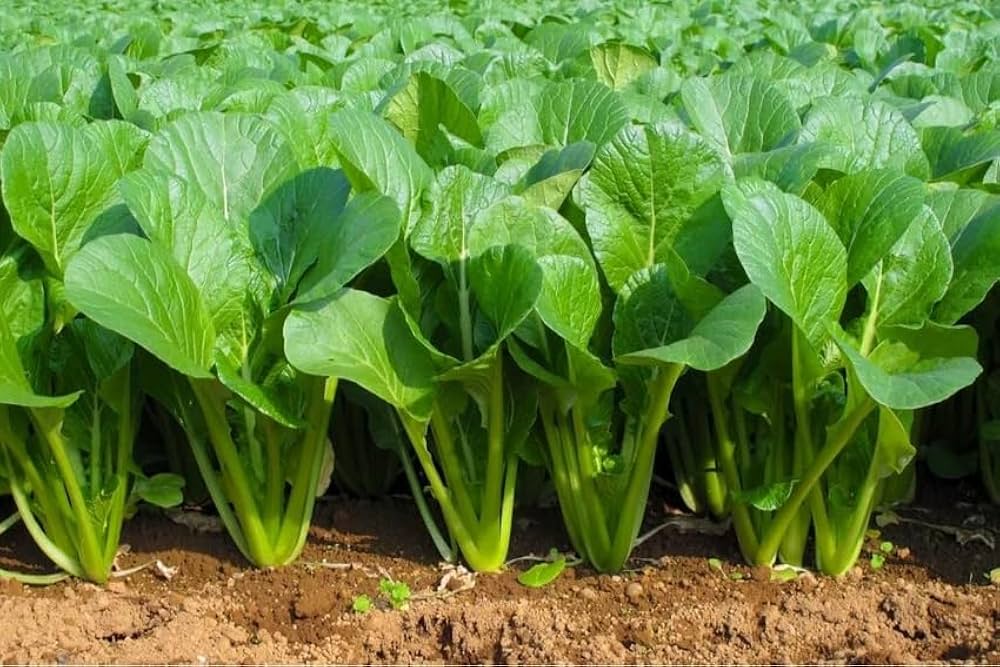
Lucknow: Thousands of farmers in India are still forced to cultivate land where dangerous toxins like arsenic have contaminated the soil and water. The situation becomes even more serious when leafy green vegetables like spinach rapidly accumulate arsenic.
Experts believe that prolonged consumption of such vegetables can increase the risk of cancer, neurological disorders, and heart-related problems. This challenge is continuously growing in several states like West Bengal, Bihar, Uttar Pradesh, Assam, and Punjab, but now scientists at Lucknow University have developed a technology that could offer new hope for both farmers and consumers.
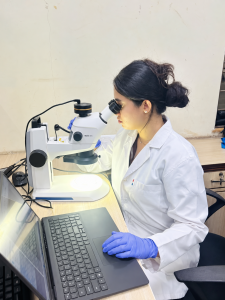
Researchers led by Professor Mohammad Israil Ansari in the Department of Botany at the university have discovered a way to protect spinach from arsenic using extremely small particles called silver quantum dots. This research has been published in the prestigious Dutch journal ‘Plant Stress’.
Recently, Professor Mohammad Israil Ansari explained that these quantum dots were not prepared in a chemical factory, but rather through a green technology process using spinach leaves themselves. When these nanoparticles were applied to arsenic-contaminated soil, they became active inside the plant cells. As a result, the movement of arsenic from the roots to the leaves was disrupted, and its accumulation in the edible leaves was significantly reduced.
Ansari said that not only this, these particles also strengthen the plant’s internal defense system. This allows spinach to grow better even in a polluted environment. The leaves were greener, the plant was stronger, and the yield was better. Water balance was also maintained.
Professor Ansari said that arsenic contamination is causing significant damage to food security. In this context, this technology can prove to be a game-changer for arsenic-affected areas. This will enable farmers to grow safe and high-quality vegetables, and consumers will be protected from consuming toxic food. He said that these seemingly tiny quantum dots could solve a major problem in the future and perhaps make farming safe and reliable again for farmers in the times to come.