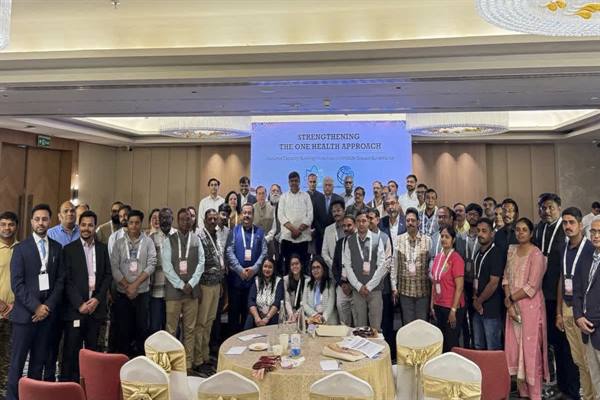
Bhopal: A three-day national workshop (held from November 18 to 20) at the Sariska Tiger Reserve in Alwar—organized under the joint aegis of the International Big Cat Alliance (IBCA) and the World Bank—brought together forest officials and wildlife health officers from 10 states across the country.
Dr. Rajesh Tomar, Wildlife Health Officer from the Bandhavgarh Tiger Reserve, participated in this workshop. He shared his experiences regarding health management and disease surveillance for tigers and other wildlife in Bandhavgarh, as well as the challenges encountered in the field.
The workshop was inaugurated by Shri Sanjay Sharma, Minister of State (Independent Charge) for Forest, Environment, and Climate Change, Government of Rajasthan. He emphasized that the health of humans, livestock, wildlife, and the environment are interconnected, making the ‘One Health’ concept a vital necessity today.
Lessons for Bandhavgarh from Sariska: In 2004–05, the tiger population in Sariska had dropped to zero; however, following a reintroduction program, there are now approximately 58 tigers in the reserve. The presence of 29 villages within the core area of Sariska creates a persistent risk of disease transmission between the forest and the villages. In response, an initiative has been launched to vaccinate dogs against Canine Distemper.
A similar challenge exists for tiger reserves like Bandhavgarh, where a dense tiger population coexists with domestic animals and dogs in the surrounding villages. Consequently, the training provided will prove highly valuable for Bandhavgarh.
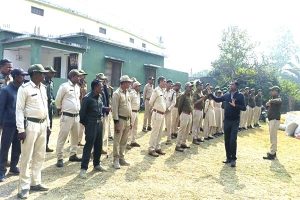
On November 19, the workshop featured technical sessions on diseases affecting big cats, emerging infections, and integrated disease surveillance, while a field practical session was conducted in Sariska on November 20.
This included training in biological sample collection, biosafety, remote biopsy, necropsy (post-mortem examination), and the collection of forensic samples in cases involving poaching or poisoning.
The selection of Dr. Tomar, a Wildlife Health Officer, for this national-level workshop is a result of the dedicated efforts being made toward wildlife health management at the Bandhavgarh Tiger Reserve. The management also believes that such national-level workshops will provide a scientific foundation for wildlife health management and further strengthen the conservation of all wildlife, including tigers.