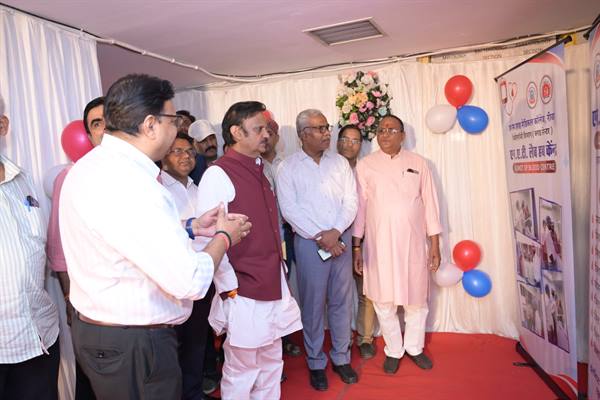
In a significant initiative to ensure the availability of safe and high-quality blood across the state, the Nucleic Acid Amplification Testing (NAT) facility has been expanded. Previously limited to only two hub centers, the facility is now being extended to government blood centers across five divisions.
Under this system, five government medical colleges—located in Bhopal, Indore, Gwalior, Jabalpur, and Rewa—have been established as hub centers for NAT testing. A total of 57 ‘spoke’ blood centers from various districts across the state have been mapped to these hubs. Following the installation of ID-NAT machines, testing operations commenced at all five hub centers on October 23, 2026.
The introduction of NAT testing enables the detection of infections such as HIV, Hepatitis-B, and Hepatitis-C in blood, even during the ‘window period.’ This technology reduces the time required to detect an infection from approximately 45 days to just 5 days. Consequently, this lowers the risk of transfusion-transmitted infections, ensuring that patients receive safer blood and blood components.
This facility will be particularly beneficial for patients suffering from serious conditions such as sickle cell anemia, thalassemia, hemophilia, those undergoing dialysis, and cancer patients. These individuals often require frequent blood or blood component transfusions during their treatment; NAT testing will play a crucial role in ensuring they receive safe, infection-free blood.
The entire NAT testing process will be fully automated, utilizing modern, high-tech equipment. Furthermore, the tracking of samples, the testing procedure, quality control, and reporting will be monitored through a dedicated technical system. Expanding NAT testing facilities through a hub-and-spoke model is a significant step toward making the state’s blood transfusion services safer, more reliable, and of higher quality. This will further strengthen the system for providing safe blood to patients suffering from serious illnesses during their treatment.